What is an air source heat pump?
An air source heat pump extracts thermal energy from the outdoor air and transfers it into water. That water is circulated through the building to provide heating, cooling or domestic hot water.
A practical approach to efficient, long-term climate control.
Heat is transferred, not generated: The system moves existing thermal energy, reducing overall electricity demand.
Water-based distribution: Heat and cooling are delivered evenly without strong airflow or noise.
Lower operating costs: Reduced energy use compared to direct electric heating and many conventional systems.
Reduced environmental impact: Lower emissions, particularly when paired with efficient or renewable electricity supply.
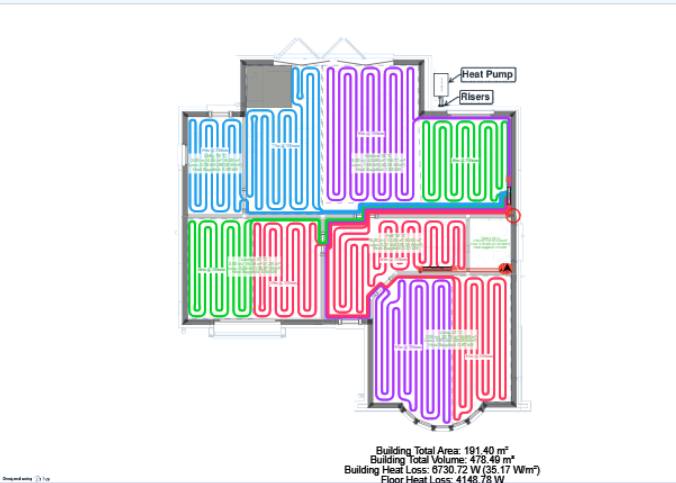
Flexible delivery: Compatible with underfloor heating, radiators and fan coil units.
An air source heat pump extracts thermal energy from the outdoor air and transfers it into water. That water is circulated through the building to provide heating, cooling or domestic hot water.

Water carries heat efficiently and evenly. This results in stable indoor temperatures, minimal air movement and quieter operation compared to air-based systems.

The same system principles apply across homes, apartments and commercial buildings. Capacity and layout are adjusted without changing the underlying technology.

Modern air source heat pumps typically achieve a Coefficient of Performance (COP) above 4. This means multiple units of heating or cooling are delivered for each unit of electricity consumed, under normal operating conditions.
We can help you understand whether a hydronic system suits your home, lifestyle, and budget.
Talk to our team